
Concern
Treatment for Hair Loss
Hair loss, medically known as alopecia, is a common condition affecting millions of people worldwide. Androgenetic alopecia, or hereditary hair loss, is the most common type and affects an estimated 80 million people in the United States. Inherited genes cause the follicles to shrink and eventually stop producing hair. Men typically develop a receding hairline and bald spots, while women more often notice overall thinning or a widening part. Hair loss can begin in the teens, but it more commonly starts later in life. One distinction shapes what treatment can accomplish: under magnification, a scalp with visible follicular openings contains follicles that are miniaturizing and may still be encouraged, while a scalp that has lost those openings has scarred, and no treatment regrows hair from scar. A scalp assessment helps establish which condition is present. We have dermatology in house and offer PRP therapy among our hair services. Early diagnosis and treatment can slow hair loss and, in some cases, stimulate regrowth.
At a Glance
- Androgenetic alopecia affects an estimated 80 million people in the United States[1]
- Early treatment can help prevent hair follicles from shrinking, making restoration more effective[6]
- Minoxidil has been shown to reduce hair loss, stimulate hair growth, and strengthen existing hair[1]
- Female pattern baldness is often reversible with treatment including medications and laser therapy[2]
Signs & symptoms
- Gradual thinning on top of head
- Receding hairline (common in men)
- Widening part (common in women)
- Circular or patchy bald spots
- Increased hair shedding
- Smaller, finer hair strands over time
- Bald spot at crown of head (men)
- Overall decreased hair density
What causes Hair Loss
- Hereditary factors (androgenetic alopecia)
- Hormonal changes (pregnancy, menopause, thyroid)
- Medical conditions (alopecia areata, infections, hypothyroidism)
- Medications and treatments
- Stress (telogen effluvium)
- Nutritional deficiencies
- Hairstyling damage (traction alopecia)
- Aging
Risk factors
- Family history of baldness
- Age
- Significant weight loss
- Certain medical conditions (diabetes, lupus)
- Stress
- Poor nutrition
- Hormonal changes
- Certain medications
How it's assessed
- Physical examination of scalp and hair
- Pull test to assess hair shedding
- Medical and family history review
- Blood tests to check for underlying conditions
- Scalp biopsy (if diagnosis unclear)
- Dermoscopy examination
- Hormone level testing
How is Hair Loss treated
One approach can address hair loss:
Recovery & outlook
- Early treatment yields better results
- Medications can slow hair loss and stimulate regrowth
- Continuous treatment needed to maintain results
- Hair transplants can provide lasting improvement
- Once follicles shrink significantly, restoration may be limited
- Female pattern hair loss is often reversible with treatment
Frequently Asked Questions
- The most common cause is androgenetic alopecia, in which inherited genes cause follicles to shrink over time. Other causes include hormonal changes, medical conditions, medications, stress, and nutritional deficiencies. The specific cause determines the appropriate treatment approach.
- Men typically experience a receding hairline and a bald spot at the crown. Women usually notice overall thinning or a widening part and rarely develop complete baldness. Female pattern hair loss often begins after menopause. In both men and women, genetic factors affect the hair follicles.
- See a dermatologist at the first signs of increased shedding or thinning. Results are better when treatment begins early because maintaining existing hair is easier than regrowing hair that has been lost. Also seek evaluation for sudden, patchy, or rapid hair loss, which may indicate an underlying condition.
- Treatments include over-the-counter topical minoxidil, prescription oral finasteride, mesotherapy with scalp injections of minoxidil or dutasteride, platelet-rich plasma therapy, low-level laser therapy, and hair transplant surgery. Women may also use spironolactone. Treatment usually needs to continue to maintain results.
- It depends on the cause and when treatment begins. Early hereditary hair loss may respond to medications that slow further loss and stimulate regrowth. Once follicles have shrunk significantly, restoration becomes more limited. This is why early treatment is recommended.
- Hereditary hair loss cannot be fully prevented, but early treatment can slow its progression. General hair-health measures include eating a balanced diet, managing stress, avoiding tight hairstyles that pull on the hair, and promptly treating underlying medical conditions.
- The cause is identified by pattern and by exclusion, with the pattern considered first. Loss at the temples and crown in men, or widening along the part in women, fits androgenetic hair loss. Patchy loss with sharp borders suggests alopecia areata. Diffuse loss across the whole scalp that develops over a few months often follows an illness, pregnancy, a new medication, or rapid weight change, and it frequently recovers once the trigger passes. Redness, scaling, burning, or tenderness points toward an inflammatory or autoimmune process and makes prompt evaluation more important because some of these conditions permanently destroy follicles while active. Bloodwork can assess what the scalp cannot show, with thyroid function and iron stores among the usual checks. Because we have dermatology in house, this evaluation is available within the same practice as treatments that may follow.
- PRP concentrates platelets from your own blood and injects them into the scalp. The growth factors they carry are intended to prolong the growing phase of miniaturizing follicles. Evidence supports thickening hair that is still present considerably more than regrowing hair in areas that have been bare for years, so candidacy is central: thinning areas with visible follicles give PRP something to work with. PRP requires a course of sessions rather than a single treatment, and results fade without maintenance. It is the hair procedure we publish. If an evaluation points toward medication or transplant surgery instead, that can be established before you commit to a course of treatment.
Your Physicians

Dr. Kamakshi Zeidler
MD, FACS

Dr. Dino Elyassnia
MD, FACS
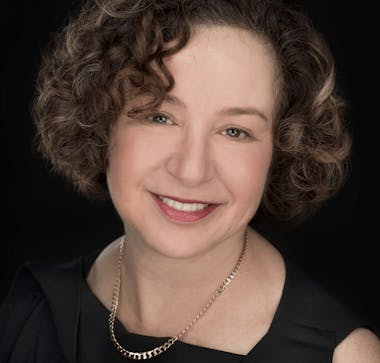
Dr. Jane Weston
MD, FACS

Dr. Bao Tran
MD

Dr. Shirley Liu
MD, MHS

Dr. Michele Koo
MD, FACS

Dr. Rick Lehman
MD, FACS

Dr. Jean Gillon
MD, FACS

Dr. Amelia Hausauer
MD, FAAD
9 board-certified physicians · 4 locations
Sources & references
This article draws on 6 sources, including leading medical institutions.
Medically reviewed by Dr. Kamakshi R. Zeidler, MD, FACS · Last reviewed: 2026-10-10