
Concern
Treatment for Sun Damage
Sun damage, also called photoaging or photodamage, is cumulative skin damage caused by chronic exposure to ultraviolet (UV) radiation from the sun. Over time, UV radiation breaks down collagen and elastin fibers, producing wrinkles, uneven pigmentation, rough texture, broken blood vessels called telangiectasia, and loss of elasticity. It can also produce precancerous growths called actinic keratoses. Photoaging cannot be fully reversed, but treatment can significantly improve the skin’s appearance and address precancerous changes. This requires attention to both the cosmetic changes, which resurfacing and light-based devices treat, and the medical changes, which require someone qualified to identify and treat a lesion. We offer both, allowing assessment and treatment to take place within the same practice.
At a Glance
- Photodamage may account for up to 90 percent of visible skin aging changes[3]
- UV radiation causes DNA damage in skin cells and breaks down collagen and elastin, leading to wrinkles, laxity, and pigment changes[1]
- Actinic keratoses are precancerous lesions caused by cumulative UV exposure that can progress to squamous cell carcinoma if untreated[6]
- Sun damage is cumulative, and effects may take 20 or more years of UV exposure to become visible on the skin surface[4]
- Dermatological treatments including laser therapy, chemical peels, and retinoids can significantly improve the appearance of sun-damaged skin[2]
Signs & symptoms
- Fine lines and wrinkles, especially on the face, neck, and hands
- Uneven skin tone and mottled pigmentation
- Dark spots (solar lentigines or age spots)
- Rough or leathery skin texture
- Broken blood vessels (telangiectasia), particularly on the nose and cheeks
- Loss of skin elasticity and firmness
- Dry, coarse skin
- Sallowness or yellowed complexion
- Actinic keratoses (rough, scaly precancerous patches)
What causes Sun Damage
- Chronic exposure to ultraviolet A (UVA) radiation, which penetrates deep into the dermis
- Chronic exposure to ultraviolet B (UVB) radiation, which damages the epidermis
- UV-induced breakdown of collagen and elastin fibers
- UV-generated reactive oxygen species (ROS) causing DNA damage in skin cells
- Cumulative lifetime UV exposure from sun and artificial sources
Risk factors
- Fair skin, light hair, and light eye color
- History of sunburns, especially blistering sunburns
- Living in sunny or high-altitude climates
- Outdoor occupations or extensive recreational sun exposure
- Use of tanning beds or sunlamps
- Not using sunscreen or protective clothing regularly
- Age over 40 (cumulative exposure becomes more apparent)
- Medications that increase photosensitivity
- Family history of skin cancer
How it's assessed
- Visual examination of the sun-exposed skin
- Dermatoscopy (magnified skin examination) for suspicious lesions
- Assessment of sun damage severity using clinical grading scales
- Skin biopsy for suspicious or precancerous lesions
- Wood's lamp examination to assess pigmentation depth
- Evaluation of patient history including sun exposure patterns
How is Sun Damage treated
Several approaches can address sun damage:
Treatment
Learn moreMicroneedling
Microneedling, also known as collagen induction therapy, is a minimally invasive dermatological procedure for people seeking to improve…
Treatment
Learn moreLaser Treatment
Laser treatment uses focused light energy for people seeking to address scars, acne, acne scarring, hyperpigmentation, melasma, red stretch…
Treatment
Learn moreHALO Laser
HALO is a hybrid fractional laser that combines ablative (2940 nm erbium) and non-ablative (1470 nm) wavelengths in a single treatment…
Treatment
Learn moreBBL BroadBand Light
BBL BroadBand Light is an advanced intense pulsed light therapy for people seeking treatment for sun damage, age spots, rosacea, vascular…
Treatment
Learn moreProFractional Laser
ProFractional laser is an ablative fractional resurfacing treatment for acne scars, surgical and traumatic scars, wrinkles, sun damage, and…
Treatment
Learn moreChemical Peel
Chemical peels resurface skin with a chemical solution that removes the damaged outer layers, revealing smoother, more evenly pigmented…
Recovery & outlook
- Sun damage is cumulative and cannot be fully reversed
- Many signs of photoaging can be significantly improved with treatment
- Consistent sun protection can prevent further damage
- Actinic keratoses may progress to squamous cell carcinoma if left untreated
- Early intervention and ongoing monitoring typically lead to better outcomes
- Combination treatments often provide the most noticeable improvement
Frequently Asked Questions
- Sun damage, or photoaging, is cumulative skin damage caused by chronic exposure to ultraviolet radiation. It can lead to wrinkles, dark spots, rough texture, broken blood vessels, loss of elasticity, and precancerous growths called actinic keratoses.
- Common signs include fine lines and wrinkles, dark spots or age spots, uneven skin tone, rough or leathery texture, broken blood vessels on the face, loss of firmness, and dry skin. Rough, scaly patches called actinic keratoses may also appear on sun-exposed areas.
- Sun damage develops through cumulative ultraviolet exposure. UVA rays penetrate deeply into the skin and break down collagen and elastin fibers, while UVB rays damage the outer layer. UV radiation also generates reactive oxygen species that damage DNA in skin cells.
- See a dermatologist if you notice a new or changing rough, scaly patch on sun-exposed skin, a spot that bleeds or does not heal, or a rapid change in a lesion’s color or size. You can also seek a professional evaluation to discuss treatment options for cosmetic concerns related to sun damage.
- Treatment options include laser therapy, chemical peels, intense pulsed light (IPL), microneedling, topical retinoids, and antioxidant serums. Precancerous actinic keratoses may be treated with cryotherapy or photodynamic therapy. Daily broad-spectrum sunscreen is essential to prevent further damage.
- Sun damage cannot be fully reversed, but many visible changes can be significantly improved. Dermatological treatments can soften wrinkles, lighten dark spots, improve texture, and stimulate collagen production. Consistent sun protection helps prevent additional damage and supports treatment results.
- Prevention centers on daily broad-spectrum sunscreen with SPF 30 or higher, reapplied every two hours while outdoors. Protective clothing, wide-brimmed hats, and shade during peak UV hours also help. Avoiding tanning beds eliminates a significant source of ultraviolet exposure.
- It is routinely both. Harmless solar lentigines, actinic keratoses, and early skin cancers can all appear as flat or scaly patches on sun-exposed skin, and they cannot reliably be distinguished by eye. An actinic keratosis has a small but real chance of progressing to squamous cell carcinoma. Treating these spots for appearance alone addresses their color while leaving their biology untouched. Photoaged skin therefore needs assessment by someone qualified to distinguish the lesions before a device is chosen, rather than relying on what appears harmless in the mirror. We have dermatology in house, so that evaluation can take place here.
- They address different features of sun damage. Broadband light is absorbed selectively by pigment and by the hemoglobin in dilated vessels, clearing brown spots and redness with essentially no wound and little downtime while leaving texture largely unchanged. A fractional resurfacing laser injures columns of skin to trigger collagen remodeling, improving texture, fine lines, and scarring while requiring real healing time. Photoaged skin usually has both color and surface changes, so the treatments are frequently sequenced across separate visits. We offer Halo, BBL, and ProFractional. Whether color or texture is treated first depends on your skin, and we curate that sequence with you.
Your Physicians

Dr. Kamakshi Zeidler
MD, FACS
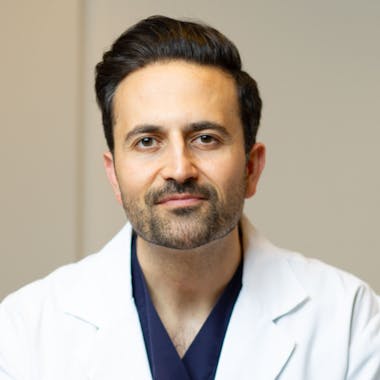
Dr. Dino Elyassnia
MD, FACS

Dr. Jane Weston
MD, FACS

Dr. Bao Tran
MD

Dr. Shirley Liu
MD, MHS

Dr. Michele Koo
MD, FACS

Dr. Rick Lehman
MD, FACS

Dr. Jean Gillon
MD, FACS

Dr. Amelia Hausauer
MD, FAAD
9 board-certified physicians · 4 locations
Sources & references
This article draws on 6 sources, including peer-reviewed research, leading medical institutions.
Government & research
Medical institutions
Medically reviewed by Dr. Kamakshi R. Zeidler, MD, FACS · Last reviewed: 2026-10-10