
Concern
Treatment for Facial Aging
Facial aging is a progressive, multifactorial process involving the skin, soft tissue, and underlying bone structure. Skin loses elasticity and develops fine lines and wrinkles. Facial fat compartments deflate and bone resorbs, draining volume from the midface and temples, while the volume that remains descends under gravity and softens the jawline and neck. Changes in skin quality, volume, and support follow separate timetables and seldom appear together, which is why a plan designed for someone else rarely fits. A careful evaluation establishes which change is furthest along and what can comfortably wait. At Aesthetx, dermatology and plastic surgery are available together, whether the answer involves skin quality, facial structure, or a considered combination of both.
At a Glance
- The epidermis thins by approximately 10-50% over a lifetime, contributing to more fragile and translucent facial skin[3]
- UV radiation contributes up to 80% of environmental skin aging factors, making sun protection a primary preventive strategy[3]
- Deep facial fat loss removes structural support from overlying tissue, contributing to sagging and volume deflation[5]
- Loss of bone mass in the jaw and midface alters facial proportions, making the forehead, nose, and mouth more pronounced[1]
- Collagen production declines with age, and reduced synthesis of types I and III collagen is characteristic of chronologically aged skin[6]
Signs & symptoms
- Fine lines and wrinkles, particularly around the eyes, forehead, and mouth
- Loss of facial volume and hollowing in the cheeks and temples
- Sagging or laxity of the skin along the jawline and neck
- Deepening of nasolabial folds and marionette lines
- Thinning of the lips and loss of lip definition
- Age spots, uneven skin tone, and increased pigmentation
- Drooping of the upper eyelids and bags under the eyes
- Rough or dry skin texture
- Visible pores and changes in skin surface quality
- Loss of jawline definition and jowl formation
What causes Facial Aging
- Intrinsic chronological aging and genetic predisposition
- Cumulative ultraviolet (UV) radiation exposure from sunlight
- Decline in collagen and elastin production with age
- Loss of subcutaneous fat volume and redistribution of facial fat pads
- Bone resorption and changes to facial skeletal structure
- Decreased production of hyaluronic acid and other glycosaminoglycans
- Hormonal changes, particularly reduced estrogen after menopause
- Repeated facial muscle movements creating dynamic wrinkles
Risk factors
- Chronic sun exposure without adequate protection
- Cigarette smoking
- Fair skin with less melanin-based UV protection
- Family history of premature skin aging
- Poor nutrition and inadequate hydration
- Chronic stress and sleep deprivation
- Environmental pollution exposure
- Excessive alcohol consumption
How it's assessed
- Clinical visual assessment of facial skin quality and laxity
- Evaluation of facial volume distribution and symmetry
- Assessment of skin texture, pigmentation, and photodamage
- Review of patient medical history and lifestyle factors
- Photographic documentation for treatment planning
How is Facial Aging treated
Several approaches can address facial aging:
Treatment
Learn moreBotox
Botox (onabotulinumtoxinA) is an FDA-approved injectable treatment for patients seeking to soften dynamic forehead lines, frown lines, and…
Treatment
Learn moreInjectable Dermal Fillers
Injectable dermal fillers are FDA-approved medical devices for patients who want to restore facial volume, soften wrinkles, or enhance…
Treatment
Learn moreLaser Treatment
Laser treatment uses focused light energy for people seeking to address scars, acne, acne scarring, hyperpigmentation, melasma, red stretch…
Treatment
Learn moreFacelift
A facelift, or rhytidectomy, is a surgical procedure for patients seeking to address sagging tissues and visible signs of aging in the…
Treatment
Learn moreNeck Lift
A neck lift, also known as a lower rhytidectomy or platysmaplasty, is a surgical procedure that improves the appearance of the neck by…
Treatment
Learn moreBrow Lift
A brow lift is a surgical procedure for people with drooping eyebrows, horizontal forehead wrinkles, frown lines, or furrows between the…
Treatment
Learn moreEyelid Surgery
Eyelid surgery, or blepharoplasty, is a surgical procedure for people seeking to address drooping eyelids, puffiness, or under-eye bags,…
Treatment
Learn moreFacial Fat Grafting
Facial fat grafting is a surgical procedure for people seeking to restore facial volume, refine contour, and reduce visible signs of aging…
Treatment
Learn moreBiostimulators
Biostimulators are injectable treatments that stimulate the body's own collagen production for gradual, natural-looking volume restoration…
Treatment
Learn moreChemical Peel
Chemical peels resurface skin with a chemical solution that removes the damaged outer layers, revealing smoother, more evenly pigmented…
Recovery & outlook
- Facial aging is a natural process that progresses over time
- Many signs of facial aging can be addressed through surgical and nonsurgical interventions
- Results from treatments vary depending on the procedure, individual skin characteristics, and lifestyle
- Ongoing maintenance may be needed to sustain treatment outcomes
- Sun protection and healthy lifestyle habits can help slow the progression of visible aging
Frequently Asked Questions
- Facial aging is the natural process of change in the skin, fat, muscle, and bone of the face over time. It may appear as wrinkles, loss of volume in the cheeks and temples, laxity along the jawline, or increased pigmentation. Genetics play a role, as do environmental exposures such as sun damage.
- Common signs include fine lines and wrinkles around the eyes and mouth, reduced cheek fullness, under-eye hollowing, sagging along the jawline and neck, deeper nasolabial folds, thinning lips, and age spots. These changes usually develop gradually and may become more noticeable after age 40.
- Facial aging reflects both intrinsic factors, including genetics and hormonal changes, and extrinsic factors such as sun exposure, smoking, and environmental pollution. Collagen and elastin decline, subcutaneous fat is lost or redistributed, facial bone resorbs, and repeated muscle movement creates expression lines.
- See a dermatologist or plastic surgeon if facial changes affect your confidence or quality of life, if they develop rapidly or asymmetrically, or if a skin lesion appears suspicious. A board-certified specialist can evaluate the changes and discuss options suited to your concerns and goals.
- Treatment may include injectable fillers, botulinum toxin, laser resurfacing, chemical peels, or surgery such as a facelift. Many patients benefit from combining surgical and nonsurgical approaches. A qualified provider can build a treatment plan around your individual concerns and goals.
- Facial aging cannot be prevented entirely, but its visible progression can often be slowed through consistent sun protection, avoiding smoking, adequate hydration, a balanced diet rich in antioxidants, and proper skincare that includes topical retinoids. Research suggests that UV radiation contributes up to 80% of environmental skin aging.
- Results vary by procedure, skin characteristics, and other individual factors. Fillers and botulinum toxin typically require periodic maintenance, while surgical procedures such as facelifts can provide longer-lasting results. Continued sun protection and healthy lifestyle habits can help sustain improvements over time.
- That depends on what is creating the concern. Declining skin quality appears as texture changes, pigment, and fine lines, and it responds well to resurfacing and light-based treatments. Options at Aesthetx include Halo, ProFractional, BBL, and a croton oil peel. Loss of support appears as jowls, neck laxity, or a heavy upper lid and calls for repositioning rather than resurfacing, which leaves those structural changes untouched. Adding volume to lax tissue often reads as additional weight. Most people have some degree of both skin and structural aging, in different proportions. Because we bring dermatology and plastic surgery together, either concern can be addressed here.
- Structural work generally comes first, followed by skin treatment. Surgery repositions tissue but leaves texture and pigment much as they were, while deep resurfacing performed close to an operation can complicate the incision plan. Injectable volume may be placed on either side of that sequence, depending on where it is used.
Your Physicians

Dr. Kamakshi Zeidler
MD, FACS
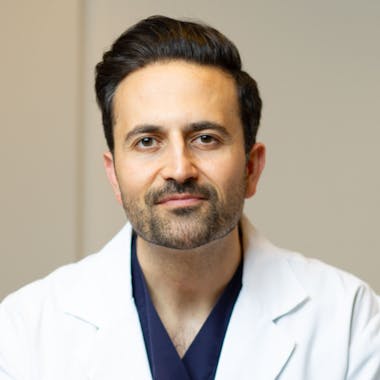
Dr. Dino Elyassnia
MD, FACS
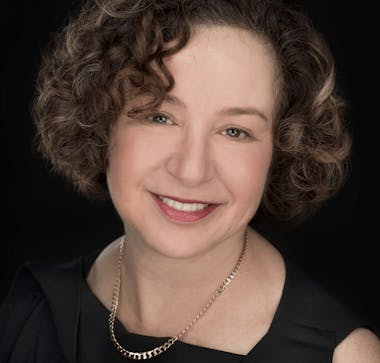
Dr. Jane Weston
MD, FACS

Dr. Bao Tran
MD

Dr. Shirley Liu
MD, MHS

Dr. Michele Koo
MD, FACS

Dr. Rick Lehman
MD, FACS

Dr. Jean Gillon
MD, FACS

Dr. Amelia Hausauer
MD, FAAD
9 board-certified physicians · 4 locations
Sources & references
This article draws on 6 sources, including peer-reviewed research, leading medical institutions.
Government & research
Medical institutions
Educational & general
Medically reviewed by Dr. Kamakshi R. Zeidler, MD, FACS · Last reviewed: 2026-10-10