Contact Us Today Schedule a Consultation
Unsure where to begin? Our experts can guide you.
Book Now
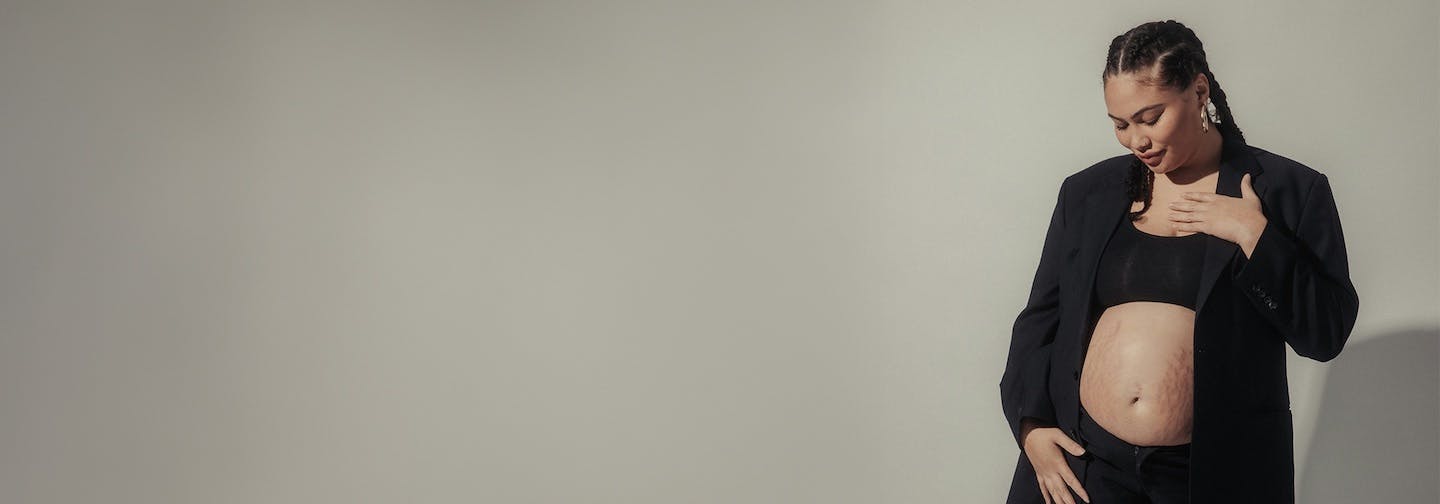
Pregnancy changes your body in beautiful and powerful ways. But it's also completely normal to notice that your breasts look or feel different after pregnancy and breastfeeding. Many women begin researching breast augmentation after pregnancy as a way to restore fullness, symmetry, or confidence.
Breast augmentation surgery is an emotional and financial investment. Given that the stakes involved in the decision are so significant, proceeding with breast augmentation requires you to do your homework about the procedure's specifics. If you've never considered breast augmentation and don't know what to expect, it can be tricky to know which questions to ask before surgery.
This guide will walk you through timing, safety, recovery, alternatives, and what you might not hear elsewhere, so you have a clear idea of what to ask and what to expect before your breast augmentation.
Pregnancy and breastfeeding stretch breast tissue and skin, often leading to volume loss, sagging, or asymmetry once milk production stops. Hormonal changes cause breasts to enlarge during pregnancy, then shrink afterward, sometimes leaving excess skin or a deflated appearance.
Common changes include loss of upper pole fullness, downward-pointing nipples, stretch marks, uneven breast size, and softer tissue texture. Not every woman experiences all of these, but they are extremely common.
You may be a good candidate if you're done having children, finished breastfeeding, and at a stable weight. Good overall health and realistic expectations are also important.
Surgeons typically look for a stable weight maintained for three to six months, no active breastfeeding, no untreated medical conditions, and clear cosmetic goals. If you're planning another pregnancy soon, most surgeons recommend waiting.
Most surgeons recommend waiting at least 6 months after you stop breastfeeding before considering breast surgery. This allows your breast tissue to stabilize and milk production to fully cease.
This waiting period reduces surgical complication risks, ensures more predictable implant sizing, allows skin elasticity to settle, and decreases the risk of infection. It also gives your body time to recover hormonally and nutritionally.
Knowing the right questions to ask your surgeon is one of the most important steps in the process. As a postpartum candidate, your body has been through unique changes, and your consultation should reflect that. Here are the key questions to bring up.
Yes, breast augmentation is generally safe after breastfeeding when performed by a board-certified plastic surgeon. Waiting until milk production fully stops reduces complications. At Aesthetx, procedural safety comes first. Our surgeons have established advanced methods for saline implants for use with endoscopic augmentation, which also reduce the risk of scarring and complications post-surgery. Modern implants, both saline and silicone gel, are extensively studied and FDA-approved. Risks are similar to those for women who have not been pregnant, and include capsular contracture, implant rupture, infection, and changes in nipple sensation. Be sure to discuss your full pregnancy and breastfeeding history during your consultation.
Postpartum bodies continue changing for months after breastfeeding ends. Your surgeon should evaluate whether your weight, hormone levels, and breast tissue have settled enough for reliable results. Rushing into surgery before your body has stabilized can lead to less predictable sizing and a higher chance of revision down the road.
If your concern is volume loss, implants may be enough. If sagging is significant, you may need a lift (mastopexy), with or without implants. For loss of fullness alone, breast augmentation is typically the best solution. If your nipples sit below the breast fold, a breast lift is usually recommended. When you're dealing with both volume loss and sagging, combining a lift with implants tends to produce the most balanced results. Many postpartum women benefit from that combined approach.
Some patients prefer a smaller breast augmentation for their body shape. At Aesthetx, our surgeons use the dual-plane mini lift, a technique that relies on an implant placed under the muscle, thus separating and elevating the breast tissues. This process makes it easier to create a minor lift, as it raises the nipple to a perkier spot. If you desire a more significant lift, we also offer subfascial breast augmentation, a technique that secures the implants above the muscle with a sheath that supports the tissue beneath.
Extensive pre-procedure planning ensures you have realistic expectations for your results and puts you and your surgeon on the same page. Aesthetx professionals strive to create the most proportional outcomes for the body. By considering tissue quality and dimension specifics, we can personalize breast implant results for every patient. Our surgeons are passionate about creating a unique breast augmentation plan for each patient to help you achieve natural and balanced results. They consider your anatomy, proportions, and body frame, taking detailed measurements to find a perfect fit.
Implants generally do not prevent future breastfeeding, but another pregnancy may change your results. If you plan to have more children soon, waiting may save you from revision surgery down the road. This is an important conversation to have with your surgeon so you can make an informed decision based on your family planning timeline.
Breast augmentation recovery is unique to the individual, but on average, it takes about 6 weeks to feel 100% like yourself. Since you will be under anesthesia for the procedure, you'll need someone to drive you home after your surgery and stay with you afterward. While taking light walks around your home or neighborhood can help speed healing, avoiding strenuous exercise is essential to recover and achieve optimal results. We will give you detailed instructions to follow, including when to return for follow-up appointments and how to care for your incisions.
Plan for limited lifting for at least 2 weeks. You should not lift more than 10 to 15 pounds during early recovery, which can be challenging with toddlers. Arrange childcare help for 7 to 14 days, prepare meals in advance, set up a recovery station with pillows, medications, and water, and practice "no-lift cuddles" by sitting down for hugs instead of picking kids up. Many women return to light activities within seven to ten days.
Think about waiting a full year after finishing breastfeeding, even if 6 months is technically the green light. Skin retraction and fat redistribution can continue subtly for months. Waiting longer often leads to more stable, longer-lasting results.
Choosing breast augmentation after pregnancy is deeply personal. For some women, it restores confidence. For others, embracing natural changes feels right. There is no correct choice, only what aligns with your goals and stage of life.
At Aesthetx, you can receive breast augmentation surgery tailored specifically to you. Connect with our board-certified professionals to get started, we are ready to create a personalized plan for you. Schedule your consultation today.