Contact Us Today Schedule a Consultation
Unsure where to begin? Our experts can guide you.
Book Now
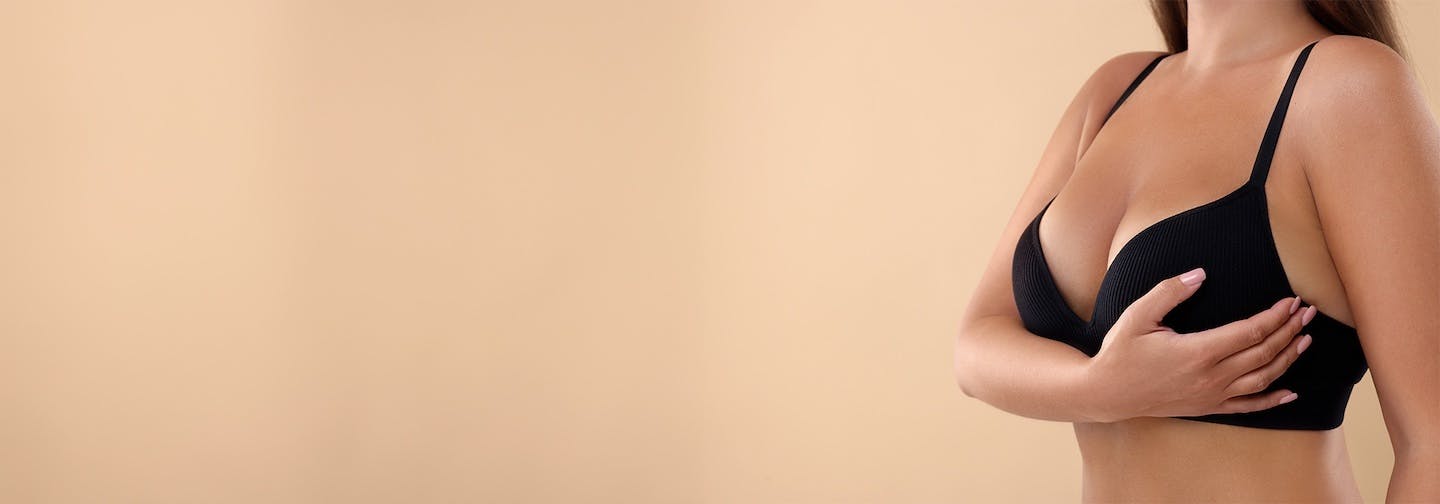
Looking for smaller scars, gentler surgery, and a faster bounce-back? "Minimally invasive" breast augmentation covers several different techniques, all designed to give you beautiful results with less obvious scarring and quicker healing.
Instead of making larger incisions and manually creating space for the implant, surgeons use smaller, carefully placed cuts combined with special camera equipment and precise instruments. Think of it like the difference between traditional surgery and laparoscopic surgery; the goal is the same, but the approach is more refined.
When done right, this means:
This uses special tools developed by Motiva® to create the implant pocket in a fundamentally different way. Instead of cutting through tissue layers to create space, the surgeon uses a Channel Separator, a specially designed instrument that gently separates tissue planes along their natural boundaries without cutting supportive structures.
Then they insert an Inflatable Balloon that's gradually filled with saline, gently stretching the pocket to exactly match the size and shape of your planned implant. This controlled expansion preserves the internal support structures, nerves, and blood vessels that traditional cutting methods might disturb. The entire procedure is typically done through a short incision in your breast fold, similar to the standard inframammary approach, but often even smaller.
The tools: The Channel Separator works like carefully parting layers of tissue rather than slicing through them. The Inflatable Balloon acts as a three-dimensional template, creating a custom pocket that precisely matches your implant's dimensions. This is usually paired with Motiva® SmoothSilk® Ergonomix® implants, which are designed to work seamlessly with this pocket-creation method.
The upside: The technique is designed specifically to protect your natural tissue architecture. Benefits include:
The downside: This is a newer technique with some important considerations:
Choose this if: You're interested in the latest tissue-preservation technology, you want the combination of a small incision with precise pocket control, you're having a primary augmentation or straightforward aug-lift, and you can find a trained surgeon in your area. Make sure to discuss both the promising aspects and the limited long-term data during your consultation.
Your surgeon makes a small cut (usually 3-4 cm) in the natural crease of your underarm. They insert a thin tube with a tiny camera on the end, which is the endoscope, which projects images onto a screen so they can see exactly where they're working.
Using specialized long instruments passed through the same incision, they create the pocket for your implant in your breast tissue and then guide the implant into place. Because everything is done from the armpit, there's no scar on your actual breast tissue at all.
The upside: Your breast skin stays completely scar-free, which many people find really appealing. Additional benefits include:
The downside: This approach requires specialized training and equipment that not every plastic surgeon has invested in, so your choice of surgeons may be more limited. Only small and or saline implants can be inserted this way. Implant exchange cannot be done this way.. Other considerations:
Choose this if: You really want zero scars on your breasts and don't mind a hidden scar in your armpit. This is especially popular with younger patients or those who anticipate wearing clothing that shows the breast area but not the underarms.
Your surgeon makes a small incision (typically 2.5-4 cm, depending on implant size) in the natural fold underneath your breast, the crease where your breast meets your chest. This location has been the gold standard for decades because it gives surgeons direct, clear access to create the pocket exactly where the implant will sit.
Modern techniques use special insertion sleeves or funnels that allow the implant to be rolled and guided through a smaller opening than you'd think possible, kind of like how a sleeping bag compresses into a small stuff sack. This means surgeons can maintain their excellent control and precision while keeping your scar shorter.
The upside: This is the most common approach among experienced plastic surgeons for good reason. Key advantages include:
The downside: You will have a scar on your breast, though it's strategically placed to be as hidden as possible. For women with very small breasts or high breast folds, the placement might be slightly more visible, but your surgeon will discuss this during your consultation.
Choose this if: You want your surgeon to have maximum control and precision for the best possible symmetry and final result, and you're comfortable with a well-hidden scar in your natural crease. This is often recommended for first-time augmentations.
The incision is made along the lower or outer edge of your areola, that is, the darker, pigmented circle around your nipple. The surgeon creates the cut right where the darker areola skin meets the lighter breast skin, following that natural color transition.
They then create a pathway through your breast tissue to reach the area where they'll build the implant pocket. Because the scar sits at this natural border where two different skin tones meet, it tends to blend in remarkably well once healed.
The upside: For the right candidates, this offers very good camouflage. Benefits include:
The downside: Not everyone is a good candidate. Important considerations:
Choose this if: You want the scar hidden on your breast itself rather than in the fold underneath, you meet the anatomical requirements, and you've discussed the sensation and breastfeeding considerations with your surgeon.
Two different types of breast surgery incisions have very different complication rates. When surgeons make the cut around the areola (the darker area around the nipple), about 23 out of 100 patients develop capsular contracture, a condition where scar tissue tightens around the implant. However, when the cut is made in the crease under the breast (Breast-fold incision), only about 1 out of 200 patients experience this problem.
The reason for this big difference is bacteria. The breast tissue near the areola naturally contains more bacteria than the skin in the crease under the breast. More bacteria means a higher chance of complications.
This is a completely different approach that doesn't use implants at all. Your surgeon performs liposuction on an area where you have excess fat. Common donor sites include your abdomen, thighs, or flanks. That harvested fat is then processed and purified to isolate the healthiest fat cells. Using very thin cannulas (hollow tubes), they carefully inject small amounts of this purified fat into multiple areas of your breasts, layer by layer, strategically placing it to create the shape and volume you want. The tiny injection points are so small that they typically heal without noticeable scars.
The upside: The results feel completely natural because it is your natural tissue. Key advantages include:
The downside: Volume gains are modest, and there are some realities to consider:
Choose this if: You want subtle enhancement (not dramatic size increase), you like the idea of using your own tissue instead of implants, you have enough donor fat available, and you're patient enough for potentially staged procedures to build up volume gradually.
No scar on my breast: Armpit approach gives you zero scars on the breast itself, with the incision hidden in your underarm crease. Belly-button approach keeps scars off both your breasts and underarms entirely.
Maximum control and symmetry: Breast-fold incision (either standard or Preservé™) gives your surgeon the best direct access and precision for creating perfectly matched pockets and achieving symmetrical results.
Best scar camouflage on my breast: Areola-edge incision blends into the natural color transition if you're a good candidate based on areola size and skin contrast.
Most natural feel or subtle change: Fat transfer feels exactly like natural breast tissue because it is your tissue. Works well alone for modest changes or combined with implants for softer, more natural edges.
The fundamentals apply across all techniques. You'll generally need to be in good overall health, plastic surgery is real surgery, and your body needs to heal properly. Non-smokers consistently have better outcomes because smoking restricts blood flow and impairs healing. Beyond that, you need realistic expectations about what's possible. Breast augmentation can enhance your shape and size, but it won't fix all body image concerns or fundamentally change your life.
Your anatomy plays a big role in which technique will work best. Your surgeon will evaluate:
These factors influence which incision location will give the best aesthetic result and hide scars most effectively.
Your medical history and lifestyle matter too. Your surgeon will ask about:
Finally, availability is a real consideration. Some techniques, like the endoscopic armpit approach and Preservé™, require specialized training and equipment. Your geographic area might have limited surgeons offering these options, which could mean traveling for surgery or choosing a different technique.
Modern minimally invasive techniques have genuinely improved the recovery experience compared to augmentations from 10-20 years ago. The combination of gentler tissue handling, more precise pocket creation, better pain management protocols (using multiple types of pain relief instead of relying solely on narcotics), and early guided movement programs all contribute to getting you back to normal life faster.
Here's a realistic timeline for most patients:
First 24-72 hours: Many people can manage light daily tasks at home, things like making meals, showering, getting dressed, and moving around the house. You'll definitely feel sore and need to take it easy, but you probably won't be bedridden.
2-5 days post-op: A good number of patients feel well enough to return to desk work or other non-physical jobs. You'll still be avoiding heavy lifting and might need to pace yourself through the day.
2-8 weeks: The gradual return to full exercise typically spans this period, and your surgeon will give you specific milestones. You might walk for light cardio for one week, return to lower body workouts at two weeks, and gradually reintroduce upper body and chest exercises between 4-8 weeks as your tissues heal and settle.
You might see clinics advertising "24-hour recovery" or similar dramatic claims. That's marketing language, not medical reality. While it's true that modern techniques allow many patients to feel surprisingly good within a day or two, "recovery" doesn't mean you're fully healed or back to 100%.
Everyone's body heals differently based on factors like age, genetics, overall health, pain tolerance, and the specifics of their surgery. Quality-controlled trials comparing recovery times between techniques are actually quite limited, so many claims are based on patient reports and surgeon observations rather than rigorous scientific studies. Follow your surgeon's personalized timeline based on how you're actually healing, not advertising promises.
Minimally invasive breast augmentation isn’t a single “secret technique”; it’s a set of approaches that prioritize precision with less tissue disruption, smaller or better-hidden incisions, and a smoother early recovery. Whether you lean toward a transaxillary endoscopic route for no scar on the breast skin, a short-incision inframammary approach for maximum pocket control, subtle fat transfer, or a tissue-preserving option like Preservé™, the best choice comes from matching your anatomy and goals to a surgeon’s proven plan. Go into consults with clear priorities, ask how the pocket will be created and protected, and choose the path that balances accuracy, comfort, and aesthetics for you.
Our experienced surgeons can walk you through all the minimally invasive options, help you understand which approach aligns with your goals, and create a customized plan based on your unique anatomy and lifestyle. Schedule your consultation.
The right surgeon will welcome your questions and take the time to help you understand your options thoroughly. Your confidence in your choice matters just as much as the technique itself.