Contact Us Today Schedule a Consultation
Unsure where to begin? Our experts can guide you.
Book Now
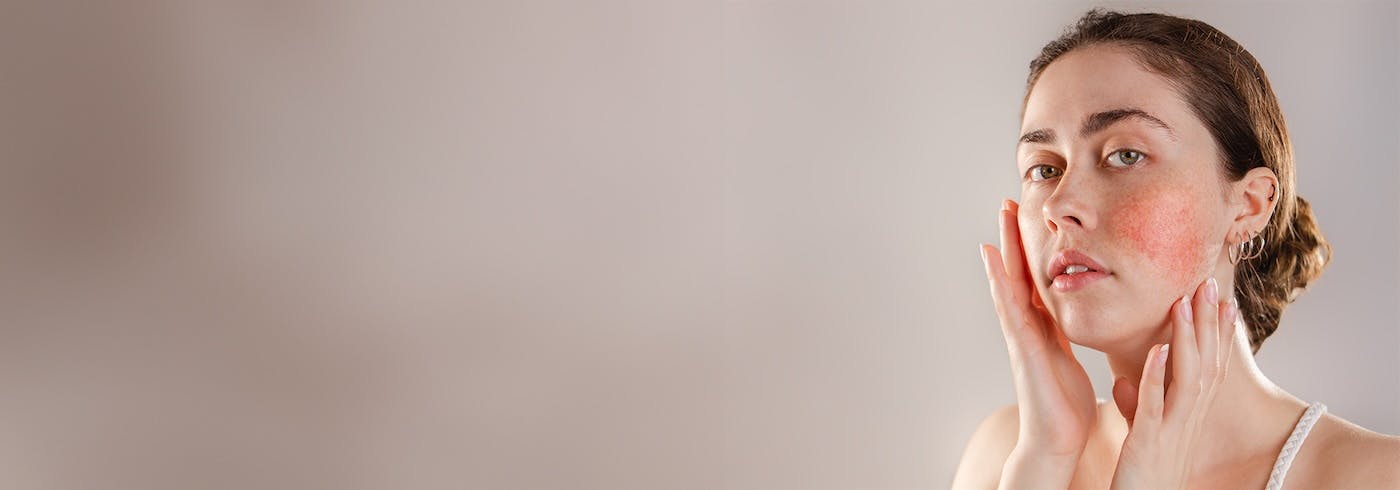
ProFractional laser isn't the right choice for the redness and visible blood vessels that most people associate with rosacea. For those issues, two other types of lasers, PDL (Pulsed-Dye Laser) and IPL (Intense Pulsed Light), are what actually work. ProFractional can help if you're dealing with bumpy, uneven skin texture or a thickened nose (called rhinophyma), but usually as part of a bigger treatment plan, not on its own.
Rosacea shows up differently for everyone, which is why the most effective treatments depend on the specific symptoms you’re dealing with.
Before you book any laser appointment, make sure you and your doctor are crystal clear about which specific rosacea symptoms you're trying to fix. The wrong laser won't just be a waste of money; it might not do anything at all.
If you're constantly dealing with facial redness or can see broken blood vessels (they look like tiny red or purple spider veins), the research is really clear: Pulsed-Dye Laser and Intense Pulsed Light lasers are what you need.
Multiple studies show these lasers are effective for reducing redness and visible vessels in rosacea. IPL might cause less bruising than PDL while getting similar or even better results. PDL is still considered the gold standard when you need to target very specific, individual blood vessels.
Here's what to expect:
If redness is your main concern, these are the lasers that will actually help.
The most common misconception we encounter isn't about which laser to use; it's that patients don't realize laser treatments for rosacea exist at all. Many people assume they're simply stuck with their redness because a parent or grandparent had rosacea, resigned to living with the condition indefinitely. Once patients discover that effective laser options are available, the next crucial point we emphasize is managing expectations: this isn't a one-and-done solution. After completing an initial treatment series, patients will need annual maintenance sessions, sometimes more frequently depending on their rosacea severity, to keep symptoms under control long-term.
ProFractional does have its place for rosacea patients, just not for redness. Here's when it actually helps:
Think of ProFractional as a laser that creates thousands of tiny, controlled injuries in your skin, almost like poking it with thousands of microscopic needles. The areas around these tiny spots stay healthy, which helps you heal faster while your skin starts producing fresh collagen.
This makes ProFractional really good for:
But here's what it doesn't do: zap the blood vessels that cause redness. Lasers that treat redness work in a completely different way; they target the blood supply under your skin. ProFractional works on the surface structure of your skin instead.
So if you walk into a clinic saying, "I hate how red my face always looks," and they recommend ProFractional, that's a red flag. It's simply not designed for that job.
Different goals need different lasers, different numbers of sessions, and different recovery times:
|
Your Goal |
Which Laser |
How Many Sessions |
Recovery Time |
Maintenance |
|
Get rid of redness & spider veins |
PDL or IPL |
3-5 to start |
0-7 days (PDL may bruise) |
1-3 times per year |
|
Smooth, mild nose thickening |
ProFractional |
1-3 |
3-7 days of crusting/redness |
As needed |
|
Fix severe nose thickening |
More aggressive CO₂ or Er:YAG |
Usually 1 (sometimes split into stages) |
7-14+ days |
Rarely needed |
|
Improve the bumpy texture or scars |
ProFractional |
2-4 |
2-5 days |
As needed |
Notice the pattern? More powerful treatments usually mean fewer sessions but longer recovery. Gentler treatments mean more sessions spread out over time.
What to expect with ProFractional:
When to avoid it: If your rosacea is currently flaring up with inflammation, wait. Get your skin calm and stable with creams or medications first, then consider laser treatment.
With PDL or IPL for redness:
If you have darker skin: You have a higher risk of getting dark or light spots after laser treatment. This doesn't mean you can't have lasers; it means you need a doctor who really knows how to adjust the settings and take care of melanin-rich skin properly. When treating patients with darker skin types, we incorporate several important safety measures to minimize pigmentation risks. First, we perform test spots with particular lasers to see how their skin will react to the treatment. In some cases, we recommend pretreatment with hydroquinone to help prevent hyperpigmentation. We also use lower settings and plan for more treatment sessions to prevent any adverse reactions. Additionally, we provide specific skin care regimens for both pretreatment and post-treatment phases to ensure patients receive the best outcomes possible.
Get your rosacea under control first. Work with your dermatologist on prescription creams for redness or inflammation. Treating already-inflamed skin with lasers is asking for problems.
Stop using self-tanners, retinoids (like tretinoin or Retin-A), and exfoliating acids for 5-7 days before your treatment. Your skin should be as calm as possible.
Don't get sunburned. Wear sunscreen SPF 30 or higher every day in the weeks before your appointment.
Use cool compresses for the first day or two. Stick to a very simple, fragrance-free moisturizer; now is not the time for fancy skincare products.
Sunscreen every single day. Your skin is extra vulnerable to sun damage right after laser treatment.
Avoid things that make you flush for 48-72 hours: hot yoga, saunas, really hot showers, alcohol, spicy food. These can all make redness worse and slow down healing.
If you have medium-to-dark skin, follow the pigmentation-prevention instructions your provider gives you exactly.
Yes, and this is actually really important. The best results usually come from combining the right lasers strategically, not putting all your hopes on one device.
Strategy 1: Fix redness first, then texture. Start with 3-5 sessions of PDL or IPL to reduce redness and visible vessels. Once that's improved, add ProFractional if you still have texture problems or rough skin that bothers you.
Strategy 2: The rhinophyma game plan. For significant nose thickening, start with an aggressive laser that can remove and reshape tissue. Follow up with ProFractional to smooth the texture. Finish by treating any leftover vessels with PDL.
Strategy 3: Newer experimental combinations. Some specialists are trying photodynamic therapy combined with other fractional lasers, and small studies show promise. This is still experimental and needs an experienced doctor, but it might help complex cases.
Finding triggers can really help manage rosacea, as can developing a comprehensive treatment plan. We've found that a combination of therapies, such as topical creams paired with a series of laser treatments, tends to work best for rosacea patients. When it comes to sequencing, if a patient presents with both pustules and redness, we usually tackle the pustules first, then address the redness with lasers. Keeping patients on a skincare regimen that benefits their rosacea without causing flare-ups is also key to achieving and maintaining optimal results.
Here's how to decide:
The smartest move? See a dermatologist who specializes in lasers and has multiple devices available. They can honestly tell you which laser, or which combination, will actually fix your specific concerns. Rosacea is too varied for a one-size-fits-all laser approach.
Ready to explore your options with experts who understand rosacea treatment inside and out? Schedule a consultation at Aesthetx to discuss which laser approach is right for your skin type, symptoms, and goals.