Contact Us Today Schedule a Consultation
Unsure where to begin? Our experts can guide you.
Book Now
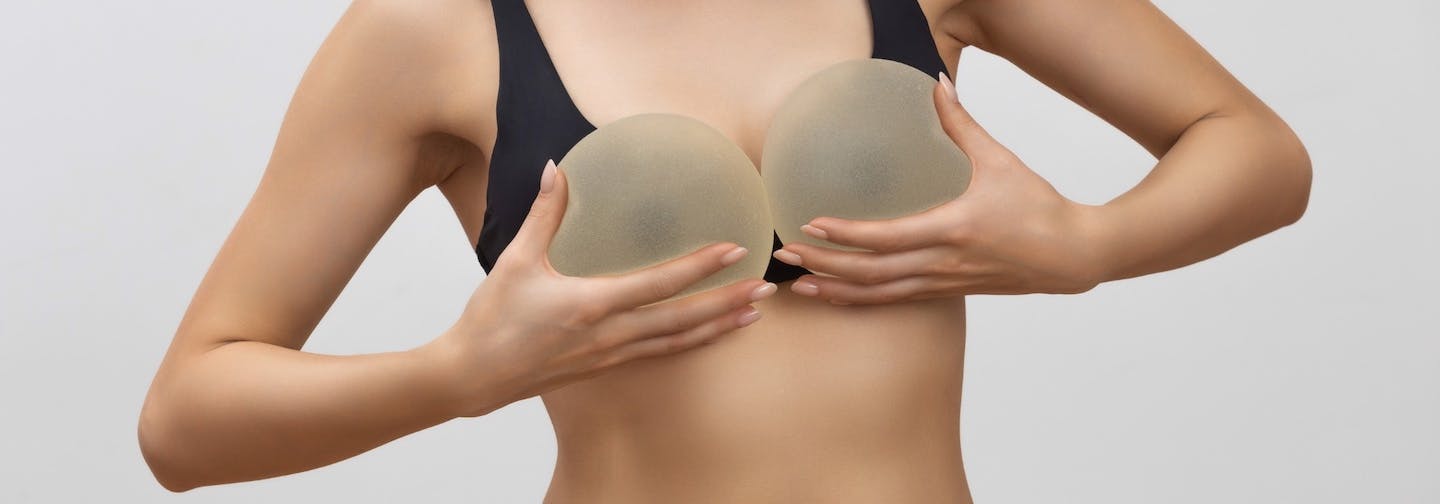
Preservé is a breast augmentation approach built around Motiva implant technology, designed to work with the body's own tissue rather than around it. This guide walks through how it works, how it differs from traditional augmentation, and what to consider before booking a consultation.
Choosing a breast augmentation approach involves more than picking an implant size. The technique a surgeon uses affects how the results look, how the recovery feels, and how the results hold up over time. If you have come across the term Preservé while researching your options, you are likely trying to figure out whether it is a different implant, a different surgical method, or simply a marketing term.
This guide answers that question directly, then walks through what the technique involves, how it compares to a traditional approach, and what to think about before your consultation.
Preservé is considered a minimally invasive procedure that refers to a breast augmentation approach that emphasizes protecting the natural breast tissue and its surrounding structures during implant placement. Rather than treating the procedure as simply inserting an implant, surgeons using this approach plan the incision, pocket, and implant positioning around preserving as much of the tissue, nerve function, and blood supply as the anatomy allows.
The term comes up frequently alongside Motiva, a breast implant manufacturer whose devices are often paired with this style of technique. That pairing matters because the approach is as much about surgical philosophy and implant design working together as it is about a single step in the operating room.
The approach is closely associated with Motiva implants, which are engineered with a focus on softness, surface texture, and predictable long-term behavior inside the body. When a surgeon combines that implant technology with a tissue-preserving surgical technique, the goal is a result that looks and feels natural both immediately after surgery and years down the line.
The Preservé approach follows the same basic surgical framework as any breast augmentation: consultation, anesthesia, incision, implant placement, and closure. What changes is the level of attention paid to tissue handling at each step. Surgeons using this technique tend to favor precise pocket dissection, careful handling of glandular and connective tissue, and implant positioning chosen to minimize disruption to the tissue layers above and around the implant.
The clearest way to understand Preservé is to compare it directly against a traditional augmentation approach.
|
Factor |
Preservé Approach |
Traditional Approach |
|
Tissue handling |
Prioritizes preserving glandular tissue, nerve pathways, and blood supply during dissection |
Follows standard dissection without the same tissue-preservation emphasis |
|
Implant pairing |
Commonly paired with Motiva implant technology |
Compatible with a range of implant manufacturers |
|
Surgical philosophy |
Plans incision and pocket placement around long-term tissue health |
Plans incision and pocket placement around implant size and desired projection |
|
Candidacy considerations |
Best suited to patients whose anatomy allows for tissue-preserving dissection |
Broader range of anatomical candidacy |
Both approaches can produce excellent results in the right hands. The decision between them usually comes down to a patient's anatomy, goals, and what a surgeon recommends after a physical exam, not a simple better-or-worse comparison.
The main benefit patients cite is a result that feels closely tied to their own tissue rather than sitting separately from it, along with the confidence that comes from choosing a technique built around long-term tissue health. Because the approach also emphasizes precise, deliberate dissection, some patients find the immediate postoperative experience more comfortable than they expected, though this varies by individual and by surgeon.
No breast augmentation technique is free of trade-offs, and Preservé is not an exception. The technique requires a surgeon experienced specifically in tissue-preserving dissection, which narrows the pool of providers qualified to perform it well. It also is not automatically the right fit for every anatomy, which is why a hands-on consultation matters more here than a general online comparison ever could. Patients who want the fastest possible path to a larger implant size with the fewest surgical considerations may find a traditional approach fits their goals more directly.
In general terms, patients considering any breast augmentation should expect results that settle gradually over several months as swelling resolves and the implant settles into its final position. A tissue-preserving technique is often chosen specifically because it supports a more natural-looking outcome, but individual results depend heavily on starting anatomy, implant choice, and surgical technique.
Recovery from Preservé augmentation follows the same general timeline as other breast augmentation procedures: an initial period of rest and restricted activity, followed by a gradual return to normal routines over several weeks. Because the technique emphasizes careful tissue handling, some patients report a comfortable early recovery, though individual experiences vary based on anatomy, activity level, and how closely postoperative instructions are followed. We recommend discussing a specific recovery timeline with your surgeon during your consultation, since it depends on the details of your individual procedure.
Good candidates for Preservé typically have healthy breast tissue that supports the technique's tissue-preserving approach, realistic expectations about outcomes, and no medical conditions that would complicate a standard breast augmentation. This is usually discussed in the context of primary (first-time) breast augmentation. Because this technique depends on specific anatomical factors, a physical exam and consultation are the only reliable way to confirm candidacy. Patients who are still deciding between augmentation approaches often benefit from bringing their questions directly to that consultation rather than relying solely on research done beforehand.
Aesthetx is among the first practices in the United States to offer Preservé. At our San Jose practice, Dr. Kamakshi Zeidler and Dr. Shirley Liu perform this tissue-preserving technique with a focus on precise pocket creation, natural feel, and refined shaping.
Ready to explore your options? Book a consultation to discuss your goals, compare Preservé with traditional augmentation, and receive a personalized plan.